
Hah!

Kirsten McKnight's List: Health
-
Apr 30, 09
Article says studies indicate night owls are more productive/alert then early morning persons. Article from the Globe and Mail
-
-
-
Night owls actually have more mental stamina than those who awaken at the crack of dawn, according to new research.
-
-
Apr 23, 09
From the Globe and Mail an article about the effects of high fructose and sugary diets.
-
Apr 23, 09
Children's lack of exposure to the sun may contribute to higher asthma rates.
-
Apr 22, 09
Another cloud computing effort, this time by Microsoft and the Mayo Clinic.
-
Add Sticky Noteit is offering a free personal health record on the Microsoft HealthVault platform
-
Google and MS - head to head!
-
-
Add Sticky NoteThe Mayo Clinic Health Manager, as the PHR is known, will provide not only a secure place to store medical records online, but also guidance from Mayo experts that will be tailored to the information contained in that PHR. If you are a 50-year-old man with diabetes and hypertension, for example, you will receive information about how you should take care of those conditions and the tests you should receive.
-
Still should be concerns around privacy, security, access, retention... granted this is not an in-depth article.
-
-
-
Leukemia Innovations
-
Planet Cancer
-
Sinus Infection Symptoms
-
-
Google(
 ) announced today that CVS/pharmacy, one of the largest pharmacy chains in the U.S., has partnered with Google Health to provide patients online access to their prescription drug history through Google Health accounts. This is in addition to Walgreens Pharmacy, Meijer, Medco, and other national pharmacies.
 -
For those who have not used Google Health, it currently allows you to import your medical records from over a dozen pharmacies, medical centers, and health insurance providers. Once imported, you can review those records and keep them updated, with the help of Google and its partners.
-
-
Danshen
Scientific names: Salvia miltiorrhiza Bunge Family: Lamiaceae (mints)Common names: Danshen, Dan Shen, Tanshen, Tan-Shen, Radix Salviae miltiorrhiza, Fufang Danshen
Efficacy-safety rating:
ÒÒ...Ethno or other evidence of efficacy.
Safety rating:
●...Little exposure or very minor concerns.What is Danshen?
Danshen is a perennial herb that grows on sunny hillsides and stream edges. Its violet-blue flowers bloom in the summer and the leaves are oval, with finely serrated edges. The fruit is an oval brown nut. Danshen's roots, from which many of the common names are derived, are a vivid scarlet red. Danshen is related to common sage, the culinary herb.
What is Danshen used for?
Traditional/Ethnobotanical usesDanshen is considered one of the most important traditional Chinese medicines and has widespread use in Asian countries. Traditionally, danshen has been used to improve bodily functioning, as well as to treat bleeding, abnormal menstruation, miscarriage, swelling, insomnia, and hepatitis. More recent uses include treatment of cardiovascular and cerebrovascular conditions.
General usesLimited studies have shown efficacy in coronary artery disease and acute ischemic stroke, but the quality of methodology limits the validity of some findings.
What is the dosage of Danshen?
Active components in commercially available preparations vary greatly. Commonly cited dosages include the following: 10 “dripping pills” taken 3 times a day (by mouth or under the tongue), 3 Fufang Danshen tablets taken orally 3 times a day, danshen 20 mg/kg capsules. Doses of 100 mg/kg as a bolus injection have been used in children.
Is Danshen safe?
ContraindicationsData are lacking.
Pregnancy/nursingInformation regarding safety and efficacy in pregnancy and lactation is lacking. Avoid use.
InteractionsDanshen may interfere with laboratory digoxin plasma levels and may increase the blood thinning effect of warfarin.
Side EffectsAdverse reactions appear to be limited to allergy, dizziness, headache, mild GI symptoms, and reversible changes in blood cell counts.
ToxicitiesInformation is limited.
References
- Danshen. Review of Natural Products. Facts & Comparisons 4.0. May 2008. http: / / online.factsandcomparisons.com / MonoDisp.aspx?monoID=fandc - rnp - 5110&inProdGen=true&quick=Danshen. Accessed April 23, 2008.
Copyright © 2006 Wolters Kluwer Health
-
Scientific Name: Myrrh
Other Names: Bal, Bdellium, Bol, Commiphora molmol, Commiphora myrrha, Guggal Resin, Gum Myrrh, Heerabol, Mo Yao, OpopanaxWho is this for?
Uses
Although myrrh is not commonly taken by mouth in European or North American countries, its oral forms are used extensively in Africa, China, and the Middle East. It has had a number of medicinal uses throughout recorded history, including reducing fever, relieving inflammation, and decreasing pain. While these uses have not been proved by clinical studies in humans, they are traditional uses that persist in many areas. Myrrh has been shown in animal and human studies to be moderately effective in eliminating intestinal worms. Additionally, it is known to kill mosquitoes, snails, ticks, and other pests that carry human parasites. Injectable forms of myrrh have shown some anticancer effects in laboratory animals. Injectable myrrh is not available in the United States.
In Western countries, myrrh probably is used most often as a soothing agent for mouth and skin tissues. In mouthwashes, it can relieve mouth and throat irritations. Myrrh is an astringent—it shrinks and tightens the top layers of skin or mucous membranes, thereby reducing secretions, relieving irritation, and improving tissue firmness. It may have slightly antibacterial effects, which could help to prevent infections on the skin or in irritated mouth tissue, as well. As a mouth rinse, myrrh is approved for treating mouth inflammation by the German Commission E, the German governmental agency that evaluates the safety and effectiveness of herbal products used in Europe. In addition to relieving inflammation, using myrrh as a mouthwash also is thought to improve bad breath. Undiluted myrrh tincture can be applied directly to sores inside the mouth. Occasionally, myrrh tincture is diluted with water or other liquids and used as a wash to treat hemorrhoids or as a douche to relieve vaginal irritation.
When should I be careful taking it?If it is taken orally, myrrh has been shown to tighten the muscles of the uterus and promote menstrual blood flow. Because these actions could cause a miscarriage, pregnant women should avoid taking myrrh by mouth. The effects of topical myrrh on a developing fetus are unknown, therefore the use of myrrh as a mouthwash is also not advised during pregnancy.
Some evidence from animal studies and human case studies suggests that oral myrrh may lower blood sugar levels. In addition, when large amounts (2,000 mg to 4,000 mg) of myrrh are taken by mouth, heart rate may be affected. Because of these findings, individuals with diabetes or heart conditions should not take myrrh orally. Using myrrh as a mouthwash is not thought to affect diabetes or heart conditions, but these effects have not been studied. Individuals who have diabetes or heart conditions should discuss the use of myrrh with a doctor or pharmacist before beginning to use it.
Precautions
Very little information is available on how myrrh might affect an infant or a small child. Therefore, its use is not recommended in any dosage form when breast-feeding or during early childhood.
What side effects should I watch for?
Major Side Effects
Oral doses of 2,000 mg to 4,000 mg (2 grams to 4 grams) of myrrh have resulted in:
- Diarrhea
- Heart rate changes
- Kidney irritation
Less Severe Side Effects
When it is applied to the skin, myrrh occasionally may cause an allergic reaction that may include an itchy rash. In addition, some evidence suggests that frequent applications of myrrh to the same area of skin can eventually be irritating.
What interactions should I watch for?
One case has been reported of increased bleeding in an individual who took both myrrh and the anticoagulant drug, warfarin, by mouth.
Because it may have a reducing effect on blood sugar, taking myrrh orally may increase the effectiveness of medications used for the treatment of diabetes. Myrrh applied to the skin or used as mouthwash is not thought to affect blood sugar. However, individuals who are taking medications for diabetes should talk to a doctor or pharmacist before using any form of myrrh.
No interactions with drugs, other herbal products, or foods have been reported with topical application (including use as a mouthwash) of myrrh.
Some interactions between herbal products and medications can be more severe than others. The best way for you to avoid harmful interactions is to tell your doctor and/or pharmacist what medications you are currently taking, including any over-the-counter products, vitamins, and herbals. For specific information on how myrrh interacts with drugs, other herbals, and foods and the severity of those interactions, please use our Drug Interactions Checker to check for possible interactions.
Should I take it?
Myrrh is the sap that oozes from specific types of small bushy trees native to desert areas of northern Africa and the Middle East. Collected as a thick, yellow liquid from natural cracks or man-made cuts in the tree bark, myrrh dries into amber-colored lumps. For use as medicine, myrrh lumps are usually powdered and then dissolved in alcohol to form a tincture (a mild liquid preparation) for use on the skin or in the mouth.
Valued as a fragrance as well as a medicinal agent by the early Egyptians and the ancient Chinese, myrrh was well-known and used extensively during Biblical times. At various periods in history, it was used in foods and drinks as a flavoring agent, in incense, perfumes and other cosmetics as a fragrance, and in embalming as a preservative.
Medicinally, myrrh was taken orally to treat arthritis, digestive complaints, and respiratory infections. It was also taken to treat infectious conditions such as leprosy and syphilis. A commercial preparation is sold in northern Africa and the Middle East to treat parasites, but it is much less effective than prescription drugs. Currently, myrrh is rarely taken by mouth for medicinal purposes in the western world, but it is approved by the U.S. Food and Drug Administration as a flavoring, fragrance, or stabilizing ingredient in beverages, cosmetics, drugs, and foods. Topically, myrrh was applied to bacterial and fungal skin infections. While it may be slightly effective for some skin conditions, no well-controlled studies have been conducted to document its benefit in any of them.
Dosage and Administration
Because myrrh is gummy, it does not dissolve well in water. However, capsules, extracts, or tinctures are available for oral use. Extracts are concentrated liquid preparations usually made by soaking chopped or mashed plant parts in a liquid such as alcohol, and then straining out the solid parts. Tinctures are less concentrated than extracts, but they are prepared in similar ways. Oral forms of myrrh have various dosage amounts and schedules depending on the condition being treated. Individuals who decide to take it orally should follow the directions on the package.
For a mouthwash, a typical dose is 5 drops to 10 drops (approximately one-sixteenth of a teaspoon to one-eighth of a teaspoon) of myrrh tincture added to about 8 ounces of water. Ordinarily, other herbal ingredients such as clove, eucalyptus, peppermint, rosemary, or sage are added to commercially available myrrh products. The herbal mixture may be gargled or used as a mouth rinse, but it should not be swallowed. Full-strength myrrh tincture can also be applied to sore gums, lips, or mouth tissue up to three times a day. Diluted myrrh tincture may be used as a skin wash or a vaginal douche. Amounts to use vary. Individuals who decide to use myrrh in one of these ways should follow the directions on the package that is purchased.
Summary
Myrrh is used more frequently in Europe and the Middle East than in North America. Currently, its main medicinal use is to relieve mouth and throat irritation—either as a mouthwash or as a tincture applied directly to the sore area in small amounts.
Risks
Due to stimulating effects on the uterus and menstrual flow, myrrh should not be taken orally by women who are pregnant. Small children and breast-feeding women should also avoid its use. Myrrh taken orally may also interfere with blood sugar levels and heart rate, so individuals with diabetes or heart conditions should not take it by mouth.
Side Effects
While topical myrrh appears to cause few side effects, oral doses of 2,000 mg to 4,000 mg (2 grams to 4 grams) have resulted in kidney irritation and heart rate changes, both of which resolved after affected individuals stopped taking myrrh. Cases of allergic rashes have been reported from the topical use of myrrh.
Interactions
Taking myrrh by mouth may interfere with medications for diabetes. It may also increase the blood-thinning effect of warfarin and similar drugs.
Last Revised July 27, 2007
References
Al-Awadi FM, Gumaa KA. Studies on the activity of individual plants of an antidiabetic plant mixture. Acta Diabetologica Latina. 1987;24(1):37-41.
Al Faraj S. Antagonism of the anticoagulant effect of warfarin caused by the use of Commiphora molmol as a herbal medication: a case report. Annals of Tropical Medicine and Parasitology. 2005;99(2):219-220.
al-Harbi MM, Qureshi S, Raza M, Ahmed MM, Afzal M, Shah AH. Gastric antiulcer and cytoprotective effect of Commiphora molmol in rats. Journal of Ethnopharmacology. 1997;55(2):141-150.
Al-Rowais NA. Herbal medicine in the treatment of diabetes mellitus. Saudi Medical Journal 2002;23(11):1327-1331.
Andersson M, Bergendorff O, Shan R, Zygmunt P, Sterner O. Minor components with smooth muscle relaxing properties from scented myrrh (Commiphora guidotti). Planta Medica. 1997;63(3):251-254.
Anon: Myrrh. In: DerMarderosian A, Beutler JA, eds. Facts and Comparisons: The Review of Natural Products. St. Louis, MO, Facts and Comparisons. February 1994.
Barakat R, Elmorshedy H, Fenwick A. Efficacy of myrrh in the treatment of human Schistosomiasis mansoni. American Journal of Tropical Medicine and Hygiene. 2005;73(2):365-367.
Blumenthal M, Gruenwald J, Hall T, Rister RS, eds. The Complete German Commission E Monographs. Austin, Texas: American Botanical Council; 1998.
Botros S, Sayed H, El-Dusoki H, et al. Efficacy of mirazid in comparison with praziquantel in Egyptian Schistosoma mansoni-infected school children and households. American Journal of Tropical Medicine and Hygiene. 2005;72(2):119-123.
Darshan S, Doreswamy R. Patented antiinflammatory plant drug development from traditional medicine. Phytotherapy Research. 2004;18(5):343-357.
Dolara P, Corte B, Ghelardini C, et al. Local anaesthetic [sic], antibacterial and antifungal properties of sesquiterpenes from myrrh. Planta Medica. 2000;66(4):356-358.
El-Ashmawy IM, Ashry KM, El-Nahas AF, Salama OM. Protection by turmeric and myrrh against liver oxidative damage and genotoxicity induced by lead acetate in mice. Basic Clinical and Pharmacologic Toxicology. 2006;98(1):32-37.
El Ashry ES, Rashed N, Salama OM, Saleh A. Components, therapeutic value and uses of myrrh. Pharmazie. 2003;58(3):163-168.
Fathy FM, Salama O, Massoud AM. Effect of Mirazid (Commiphora molmol) on experimental heterophyidiasis. Journal of the Egyptian Society of Parasitology. 2005;35(3):1037-1050.
Fenwick A, Webster JP. Schistosomiasis: challenges for control, treatment and drug resistance. Current Opinion in Infectious Disease. 2006;19(6):577-582.
Hanus LO, Rezanka T, Dembitsky VM, Moussaieff A. Myrrh--Commiphora chemistry. Biomed Pap Med Fac Univ Palacky Olomouc Czech Repub. 2005;149(1):3-27.
Haughton C. Commiphora molmol (Engl.). Revised September 23, 2002. Available at: http://www.purplesage.org.uk/profiles/myrrh.htm. Accessed March 28, 2003.
HealthNotes, Inc. Myrrh. 2002. Available at: http://www.mycustompak.com/healthNotes/Herb/Myrrh.htm Accessed March 28, 2003.
Hoffmann DL. Myrrh. Herbal Materia Medica. No date given. Available at: http://www.healthy.net/asp/templates/article.asp?PageType=article&ID=1547. Accessed April 22, 2003.
Jellin JM, Gregory P, Batz F, Hitchens K, et al, eds. Pharmacist's Letter/Prescriber's Letter. Natural Medicines Comprehensive Database, 3rd Edition. Stockton CA: Therapeutic Research Facility, 2000.
Lee TY, Lam TH. Allergic contact dermatitis due to a Chinese orthopaedic solution tieh ta yao gin. Contact Dermatitis. 1993;28(2):89-90.
Massoud AM, El Ebiary FH, Abd El Salam NF. Effect of myrrh extract on the liver of normal and bilharzially infected mice an ultrastructural study. Journal of the Egyptian Society of Parasitology. 2004;34(1):1-21.
Massoud AM, el Ebiary FH, Ibrahim SH. Light microscopic study of the effect of new antischistosmal drug (myrrh extract) on the liver of mice. Journal of the Egyptian Society of Parasitology. 2005;35(3):971-988.
Massoud A, El Sisi S, Salama O, Massoud A. Preliminary study of therapeutic efficacy of a new fasciolicidal drug derived from Commiphora molmol (myrrh). American Journal of Tropical Medicine and Hygiene. 2001;65(2):96-99.
Massoud AM, Kutkat MA, Abdel Shafy S, El-Khateeb RM, Labib IM. Acaricidal efficacy of Myrrh (Commiphora molmol) on the fowl tick Argas persicus (Acari: Argasidae). Journal of the Egyptian Society of Parasitology. 2005;35(2):667-686.
Massoud AM, Labib IM. Larvicidal activity of Commiphora molmol against Culex pipiens and Aedes caspius larvae. Journal of the Egyptian Society of Parasitology. 2000;30(1):101-115.
Massoud AM, Labib IM, Rady M. Biochemical changes of Culex pipiens larvae treated with oil and oleo-resin extracts of Myrrh Commiphora molmol. Journal of the Egyptian Society of Parasitology. 2001;31(2):517-529.
Moussaieff A, Fride E, Amar Z, et al. The Jerusalem Balsam: from the Franciscan Monastery in the old city of Jerusalem to Martindale 33. Journal of Ethnopharmacology. 2005;101(1-3):16-26.
Omar A, Elmesallamy Gel-S, Eassa S. Comparative study of the hepatotoxic, genotoxic and carcinogenic effects of praziquantel distocide & the natural myrrh extract Mirazid on adult male albino rats. Journal of the Egyptian Society of Parasitology. 2005;35(1):313-329.
Qureshi S, al-Harbi MM, Ahmed MM, Raza M, Giangreco AB, Shah AH. Evaluation of the genotoxic, cytotoxic, and antitumor properties of Commiphora molmol using normal and Ehrlich ascites carcinoma cell-bearing Swiss albino mice. Cancer Chemotherapy and Pharmacology. 1993;33(2):130-138.
Rao RM, Khan ZA, Shah AH. Toxicity studies in mice of Commiphora molmol oleo-gum-resin. Journal of Ethnopharmacology. 2001;76(2):151-154.
Sheir Z, Nasr AA, Massoud A, et al. A safe, effective, herbal antischistosomal therapy derived from myrrh. American Journal of Tropical Medicine and Hygiene. 2001;65(6):700-704.
Shoukry NM. Effect of Commiphora molmol on Bithynia connollyi with special reference to their morphology and medical importance. Journal of the Egyptian Society of Parasitology. 2006;36(2):701-712.
Tariq M, Ageel AM, Al-Yahya MA, Mossa JS, Al-Said MS, Parmar NS. Anti-inflammatory activity of Commiphora molmol. Agents Actions. 1986;17(3-4):381-382.
Tipton DA, Lyle B, Babich H, Dabbous MKh. In vitro cytotoxic and anti-inflammatory effects of myrrh oil on human gingival fibroblasts and epithelial cells. Toxicology In Vitro. 2003;17(3):301-310.
Last Revised July 27, 2007
Note: The above information is not intended to replace the advice of your physician, pharmacist, or other healthcare professional. It is not meant to indicate that the use of the product is safe, appropriate, or effective for you.
In general, herbal products are not subject to review or approval by the U.S. Food and Drug Administration (FDA). They are not required to be standardized, meaning that the amounts of active ingredients or contaminants they contain may vary between brands or between different batches of the same brand. Not all of the risks, side effects, or interactions associated with the use of herbal products are known because few reliable studies of their use in humans have been done.
This information is provided for your education only. Please share this information with your healthcare provider and be sure that you talk to your doctor and pharmacist about all the prescription and non-prescription medicines you take before you begin to use any herbal product.
-
Ru Xiang (Frankincense Resin)

 Herb 18 of 34 in Herbs that Invigorate Blood and Remove Stagnation

Channels:
HT, LIV, SPProperties:
Spicy, Bitter, WarmLatin Name:
Resina Olibani
Ru Xiang means "Fragrant Milk"Actions
- Moves Blood and Qi, Relieves Pain, Relaxes the Sinews
Commonly combined with Mo Yao for wide variety of painful conditions including amenorrhea, dysmenorrheal, stomach and epigastric pain, traumatic pain, carbuncles, sores, swellings, chest and abdominal pain. Also for Wind-Damp painful obstruction, rigidity and spasms. - Reduces Swelling and Generates Flesh
External powder reduces swelling, relieves pain, generates flesh, enhances healing in skin lesions and ulcers, sores, carbuncles and traumatic injuries. For pain, redness and swelling of gums, mouth and throat.
Contraindications and Cautions
- Do not use during pregnancy
- Do not use in patients with sensitive stomachs, may cause vomiting and nausea
- Do not use long term
- Not for cases without stasis
Herb-Drug Interactions
- This section is being researched, and is not completed.
Toxicity and Overdose
- None Noted
Dosage
- 3-9 grams in decoction (Bensky)
- 3-10 grams in decoction (Chen)
Combinations:
- Dang Gui (Radix Angelicae Sinensis)
- Mo Yao (Resina Myrrhae)
- Ru Xiang (Resina Olibani)
- Zi Ran Tong (Pyritum)
Combined Indications:
- Strains and Fractures
This Herb Appears in the Following Formulas:
- Die Da Wan (Trauma Pill)
Formulas that Invigorate the Blood in the Treatment of Traumatic Injury - Huo Luo Xiao Ling Dan (Fantastically Effective Pill to Invigorate the Collaterals)
Formulas that Invigorate the Blood in the Treatment of Traumatic Injury - Juan Bi Tang (Remove Painful Obstruction Decoction from Medical Revelations)
Formulas that Dispel Wind-Dampness - Qi Li San (Seven Thousandths of a Tael Powder)
Formulas that Invigorate the Blood in the Treatment of Traumatic Injury - Su He Xiang Wan (Liquid Styrax Pill)
Formulas that Warm and Open the Orifices - Xian Fang Huo Ming Yin (Sublime Formula for Sustaining Life)
Formulas that Clear Heat and Relieve Toxicity - Xiao Huo Luo Dan (Minor Invigorate the Collaterals Special Pill)
Formulas that Release Wind from the Skin and Channels - Zhen Ling Dan (Rouse the Spirit Special Pill)
Formulas that Stabilize the Womb
References
Herbs
- 13. Chinese Herbal Medicine: Materia Medica (Revised Edition)
- Dan Bensky - 25. Lancet 2000 January 8;355(9198):134-138 (Article)
- Fugh-Berman A. - 17. Handbook of Chinese Herbs (Second Edition)
- Him Che. Yeung - 12. Chinese Medical Herbology and Pharmacology (First Edition)
- John K. Chen, Tina T. Chen - 26. Herbal Drugs and Phytopharmaceuticals (Third Edition)
- Max Wichtl
- 15. Chinese Herbal Medicine: Formulas and Strategies (First Edition)
- Dan Bensky - 18. Handbook of Chinese Herbal Formulas (First Edition)
- Him Che. Yeung - 16. The Traditional Chinese Medicine Formula Study Guide (First Edition)
- Qiao Yi
Only use Chinese herbs or formulas under the direct care and supervision of a licensed Acupuncturist/Herbalist.
Some of the substances included on this website are no longer used, and are included for historical reference only. - Moves Blood and Qi, Relieves Pain, Relaxes the Sinews
-
Angelica sinensis
From Wikipedia, the free encyclopedia
Jump to: navigation, searchAngelica sinensis 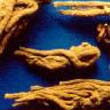
Scientific classification Kingdom: Plantae Division: Magnoliophyta Class: Magnoliopsida Order: Apiales Family: Apiaceae Genus: Angelica Species: A. sinensis Binomial name Angelica sinensis
(Oliv.) Diels[1]Angelica sinensis, commonly known as "dong quai" or "female ginseng" is a herb from the family Apiaceae, indigenous to China.
Contents
[hide]- 2 See also
- 3 References
- 4 External links
[edit] Medicinal uses
[edit] Chinese
Its drying root is commonly known in Chinese as Radix Angelicae Sinensis, or Chinese angelica (traditional Chinese: 當歸; simplified Chinese: 当归; pinyin: dāngguī) and is widely used in Chinese traditional medicine to treat gynecological ailments, fatigue, mild anemia and high blood pressure. Chinese angelica possesses the distinction of being one of the few good non-animal sources of Vitamin B12, along with some varieties of yeast and microalgae like spirulina.[1][2]. It has analgesic, anti-inflammatory, antispasmodic and sedative effects. The plant's phytochemicals consist of coumarins, phytosterols, polysaccharides, ferulate, and flavonoids.
It is also used as an aphrodisiac.
[edit] Korean
A. sinensis is also used in traditional Korean medicine, where it is called danggwi (당귀).
[edit] Prohibition
Being a uterine tonic and hormonal regulator this herb is an effective herb for female reproductive system. It is often used in premenstrual syndrome formulas as well as menopausal formulas. However, this herb is not recommended during pregnancy due to possible hormonal, anticoagulant, and anti-platelet properties. Animal research has noted conflicting effects on the uterus, with reports of both stimulation and relaxation. Dong quai is traditionally viewed as increasing the risk of miscarriage.[2]
[edit] See also
- Angelica
- Chinese herbology
- Scutellaria baicalensis (Baikal Skullcap)
- Acanthopanax senticosus (now known as Eleutherococcus senticosus or Siberian Ginseng)
[edit] References
- ^ "Angelica sinensis information from NPGS/GRIN". www.ars-grin.gov. Retrieved on 2008-03-17.
- ^ Medline Plus Dong Quai
- Sung Mun Jung et al, "Reduction of urate crystal-induced inflammation by root extracts from traditional oriental medicinal plants: elevation of prostaglandin D2 levels", Arthritis Research & Therapy 2007, 9:R64 doi:10.1186/ar2222. Considers anti-inflammatory properties of dried roots from the species Angelica sinensis (Dong Quai), Acanthopanax senticosus (now known as Eleutherococcus senticosus, or Siberian Ginseng), and Scutellaria baicalensis (Baikal Skullcap).
[edit] External links
- Angelica sinensis List of Chemicals (Dr. Duke's Databases)
- Ontario Ministry of Agriculture and Food
- MedlinePlus article on Dong quai says that high-quality research is lacking on Dong Quai's purported therapeutic effects, and that positive research results reported are at best preliminary.
Retrieved from "http://en.wikipedia.org/wiki/Angelica_sinensis" -
The Spoon Theory
by Christine Miserandino www.butyoudontlooksick.com
My best friend and I were in the diner, talking. As usual, it was very late and we were eating French fries with gravy. Like normal girls our age, we spent a lot of time in the diner while in college, and most of the time we spent talking about boys, music or trivial things, that seemed very important at the time. We never got serious about anything in particular and spent most of our time laughing.
As I went to take some of my medicine with a snack as I usually did, she watched me with an awkward kind of stare, instead of continuing the conversation. She then asked me out of the blue what it felt like to have Lupus and be sick. I was shocked not only because she asked the random question, but also because I assumed she knew all there was to know about Lupus. She came to doctors with me, she saw me walk with a cane, and throw up in the bathroom. She had seen me cry in pain, what else was there to know?
I started to ramble on about pills, and aches and pains, but she kept pursuing, and didn't seem satisfied with my answers. I was a little surprised as being my roommate in college and friend for years; I thought she already knew the medical definition of Lupus. Then she looked at me with a face every sick person knows well, the face of pure curiosity about something no one healthy can truly understand. She asked what it felt like, not physically, but what it felt like to be me, to be sick.
As I tried to gain my composure, I glanced around the table for help or guidance, or at least stall for time to think. I was trying to find the right words. How do I answer a question I never was able to answer for myself? How do I explain every detail of every day being effected, and give the emotions a sick person goes through with clarity. I could have given up, cracked a joke like I usually do, and changed the subject, but I remember thinking if I don’t try to explain this, how could I ever expect her to understand. If I can’t explain this to my best friend, how could I explain my world to anyone else? I had to at least try.
At that moment, the spoon theory was born. I quickly grabbed every spoon on the table; hell I grabbed spoons off of the other tables. I looked at her in the eyes and said “Here you go, you have Lupus”. She looked at me slightly confused, as anyone would when they are being handed a bouquet of spoons. The cold metal spoons clanked in my hands, as I grouped them together and shoved them into her hands.
I explained that the difference in being sick and being healthy is having to make choices or to consciously think about things when the rest of the world doesn’t have to. The healthy have the luxury of a life without choices, a gift most people take for granted.
Most people start the day with unlimited amount of possibilities, and energy to do whatever they desire, especially young people. For the most part, they do not need to worry about the effects of their actions. So for my explanation, I used spoons to convey this point. I wanted something for her to actually hold, for me to then take away, since most people who get sick feel a “loss” of a life they once knew. If I was in control of taking away the spoons, then she would know what it feels like to have someone or something else, in this case Lupus, being in control.
She grabbed the spoons with excitement. She didn’t understand what I was doing, but she is always up for a good time, so I guess she thought I was cracking a joke of some kind like I usually do when talking about touchy topics. Little did she know how serious I would become?
I asked her to count her spoons. She asked why, and I explained that when you are healthy you expect to have a never-ending supply of "spoons". But when you have to now plan your day, you need to know exactly how many “spoons” you are starting with. It doesn’t guarantee that you might not lose some along the way, but at least it helps to know where you are starting. She counted out 12 spoons. She laughed and said she wanted more. I said no, and I knew right away that this little game would work, when she looked disappointed, and we hadn't even started yet. I’ve wanted more "spoons" for years and haven’t found a way yet to get more, why should she? I also told her to always be conscious of how many she had, and not to drop them because she can never forget she has Lupus.
I asked her to list off the tasks of her day, including the most simple. As, she rattled off daily chores, or just fun things to do; I explained how each one would cost her a spoon. When she jumped right into getting ready for work as her first task of the morning, I cut her off and took away a spoon. I practically jumped down her throat. I said " No! You don’t just get up. You have to crack open your eyes, and then realize you are late. You didn’t sleep well the night before. You have to crawl out of bed, and then you have to make your self something to eat before you can do anything else, because if you don’t, you can't take your medicine, and if you don’t take your medicine you might as well give up all your spoons for today and tomorrow too." I quickly took away a spoon and she realized she hasn’t even gotten dressed yet. Showering cost her spoon, just for washing her hair and shaving her legs. Reaching high and low that early in the morning could actually cost more than one spoon, but I figured I would give her a break; I didn’t want to scare her right away. Getting dressed was worth another spoon. I stopped her and broke down every task to show her how every little detail needs to be thought about. You cannot simply just throw clothes on when you are sick. I explained that I have to see what clothes I can physically put on, if my hands hurt that day buttons are out of the question. If I have bruises that day, I need to wear long sleeves, and if I have a fever I need a sweater to stay warm and so on. If my hair is falling out I need to spend more time to look presentable, and then you need to factor in another 5 minutes for feeling badly that it took you 2 hours to do all this.
I think she was starting to understand when she theoretically didn’t even get to work, and she was left with 6 spoons. I then explained to her that she needed to choose the rest of her day wisely, since when your “spoons” are gone, they are gone. Sometimes you can borrow against tomorrow’s "spoons", but just think how hard tomorrow will be with less "spoons". I also needed to explain that a person who is sick always lives with the looming thought that tomorrow may be the day that a cold comes, or an infection, or any number of things that could be very dangerous. So you do not want to run low on "spoons", because you never know when you truly will need them. I didn’t want to depress her, but I needed to be realistic, and unfortunately being prepared for the worst is part of a real day for me.
We went through the rest of the day, and she slowly learned that skipping lunch would cost her a spoon, as well as standing on a train, or even typing at her computer too long. She was forced to make choices and think about things differently. Hypothetically, she had to choose not to run errands, so that she could eat dinner that night.
When we got to the end of her pretend day, she said she was hungry. I summarized that she had to eat dinner but she only had one spoon left. If she cooked, she wouldn’t have enough energy to clean the pots. If she went out for dinner, she might be too tired to drive home safely. Then I also explained, that I didn’t even bother to add into this game, that she was so nauseous, that cooking was probably out of the question anyway. So she decided to make soup, it was easy. I then said it is only 7pm, you have the rest of the night but maybe end up with one spoon, so you can do something fun, or clean your apartment, or do chores, but you can’t do it all.
I rarely see her emotional, so when I saw her upset I knew maybe I was getting through to her. I didn’t want my friend to be upset, but at the same time I was happy to think finally maybe someone understood me a little bit. She had tears in her eyes and asked quietly “Christine, How do you do it? Do you really do this everyday?” I explained that some days were worse then others; some days I have more spoons then most. But I can never make it go away and I can’t forget about it, I always have to think about it. I handed her a spoon I had been holding in reserve. I said simply, “I have learned to live life with an extra spoon in my pocket, in reserve. You need to always be prepared”
Its hard, the hardest thing I ever had to learn is to slow down, and not do everything. I fight this to this day. I hate feeling left out, having to choose to stay home, or to not get things done that I want to. I wanted her to feel that frustration. I wanted her to understand, that everything everyone else does comes so easy, but for me it is one hundred little jobs in one. I need to think about the weather, my temperature that day, and the whole day's plans before I can attack any one given thing. When other people can simply do things, I have to attack it and make a plan like I am strategizing a war. It is in that lifestyle, the difference between being sick and healthy. It is the beautiful ability to not think and just do. I miss that freedom. I miss never having to count "spoons".
After we were emotional and talked about this for a little while longer, I sensed she was sad. Maybe she finally understood. Maybe she realized that she never could truly and honestly say she understands. But at least now she might not complain so much when I can't go out for dinner some nights, or when I never seem to make it to her house and she always has to drive to mine. I gave her a hug when we walked out of the diner. I had the one spoon in my hand and I said “Don’t worry. I see this as a blessing. I have been forced to think about everything I do. Do you know how many spoons people waste everyday? I don’t have room for wasted time, or wasted “spoons” and I chose to spend this time with you.”
Ever since this night, I have used the spoon theory to explain my life to many people. In fact, my family and friends refer to spoons all the time. It has been a code word for what I can and cannot do. Once people understand the spoon theory they seem to understand me better, but I also think they live their life a little differently too. I think it isn’t just good for understanding Lupus, but anyone dealing with any disability or illness. Hopefully, they don’t take so much for granted or their life in general. I give a piece of myself, in every sense of the word when I do anything. It has become an inside joke. I have become famous for saying to people jokingly that they should feel special when I spend time with them, because they have one of my "spoons".
© 2003 by Christine Miserandino Butyoudontlooksick.com
Please note that this story is copyrighted and should not be reprinted in any form without permission from the author. Feel free link to “The Spoon Theory” at www.butyoudontlooksick.com/the_spoon_theory - Thank you! -
The end of chemo? One magic pill may hold answer
ANNE MCILROY
From Tuesday's Globe and Mail
November 28, 2006 at 4:26 AM EDT
In a coffee shop, on the second floor of a Loblaws superstore in the west end of Ottawa, Zavie Miller and three friends are laughing as the sunlight falls on their faces.
They discuss travel plans and children, the usual stuff, but there is giddiness in their voices, a sense of wonder at the ordinary events in their lives.
They all have chronic myelogenous leukemia (CML), a slow-moving but deadly form of cancer. They keep it in check, however, by popping a pill or two a day.
No chemotherapy with its debilitating side effects for them. Just a drug called Gleevec.
Related Articles
From the archives
Internet Links

"I take one pill a day. It is really unbelievable," says Mr. Miller, 68.
"I have virtually no side effects."
He volunteers at a soup kitchen and the National Gallery, and recently took a trip to New York with one of his daughters.
Some of his friends have side effects, but nothing like the severe vomiting, depressed immune systems, hair loss, mouth sores and other miseries caused by conventional chemotherapy. Most cancer drugs carpet bomb the body, damaging healthy cells as well as cancerous ones. Gleevec is a smart bomb, designed to kill only cancer. It has turned their leukemia into a chronic disease.
The end of chemotherapy? If that sounds too utopian, picture Mr. Miller and his friends, enjoying their coffee and their extraordinary good luck. They are the future, at least as it is envisioned by scientists convinced there must be a better way to treat cancer.
There are some side effects: Tracey Feldman, 36, for example, is a little self-conscious about her pale skin.
"We all turn white, like ghosts," she says, and shows the group her alabaster stomach. They all start to laugh, and lift their shirts to compare bellies.
Mr. Miller wants them to inspect his scalp. Other patients have reported that Gleevec restored colour to their grey hair, and he bends his head over the table, pointing to a few strands of black mixed in with the white.
They grew after he started the treatment, he insists.
Yet it's fun to listen to their happy chatter, and easy to see why Gleevec is an inspiration for scientists around the world working on drugs that will kill cancer cells but leave healthy tissue alone. Some of those researchers predict that the next 10 years will see dramatic changes in the way cancer is treated, that the next 20 or 30 years could see the end of conventional chemotherapy for most patients.
To kill cancer, doctors often come close to killing their patients.
"Many treatments put people near death," says Philip Branton, scientific director of the Institute of Cancer Research, part of the Canadian Institutes of Health Research.
That's because conventional chemotherapy drugs are essentially poisons. Nitrogen mustard, the first modern chemo drug, is a derivative of the mustard gas used during the First World War.
It destroyed the lymphatic tissue and bone marrow of its victims, and this made medical researchers think something similar might kill fast-growing cancer cells.
By 1942, two researchers at Yale, Louis Goodman and Alfred Gilman, were ready to try nitrogen mustard in a human patient. A 48-year-old silversmith volunteered. He was in the terminal stages of lymphatic cancer, but after 10 doses, his tumours disappeared.
The scientists were on to something, and nitrogen mustard became the first of many toxic compounds found to be effective against cancer. Chemotherapy became an important tool for doctors, in addition to surgery and radiation, and is used to treat many forms of the disease.
Childhood leukemia, testicular cancer and Hodgkin's disease are now regularly cured with combinations of chemotherapy drugs. But patients endure enormous suffering to rid their bodies of cancerous cells.
"We recognize it is obviously not the way to do it, not with what we now know," Dr. Branton says.
What we now know -- thanks to the genetic revolution -- is much more about what makes cancer cells different from healthy ones. They contain damaged or mutated genes. These genes produce aberrant proteins that can cause cells to go haywire, reproduce at a rapid rate and refuse to die.
The molecular approach to treating cancer involves identifying these mutated genes, finding the proteins they produce, then coming up with drugs to stop those proteins from working.
It may sound relatively straightforward. But the gene involved in CML was one of the first cancer genes to be identified in the 1970s, Dr. Branton says. It took more than two decades for researchers to figure out what it does and find something capable of stopping it.
The CML mutation occurs when two chromosomes swap chunks of genetic material. A bit of one gene, from chromosome No. 9, gets added to another gene on chromosome 22. The result is a cancer gene that produces an abnormal protein not found in healthy cells.
In CML, the aberrant protein signals blood cells -- white blood cells in particular -- to proliferate at a rapid rate and not die. If left unchecked, those cells will eventually clog the body, turning blood into something that looks more like pus. Gleevec stops the abnormal protein from working and stops the proliferation signal from getting through. The cancerous cells stop reproducing and die.
Mr. Miller heard about the drug while it was still being tested. He applied to be part of a clinical trial in Portland, Ore.
The conventional treatment for CML -- a drug called interferon -- had almost killed him in 1999. It was supposed to boost his immune system to fight cancer. Instead, it gave him congestive heart failure.
It was a complete disaster," Mr. Miller says. "I couldn't breath. I was in a fog. I didn't even know who I was. In the photographs from the time, I look like a dead person." In March, 2001, he flew to the United States and started the new, targeted drug. He immediately started to feel better. "It was magical," he says.
Two months later, Gleevec was approved by the U.S. Food and Drug Administration. By the fall, Health Canada had followed suit. Today, Gleevec is the first line of treatment for patients in the early stages of the disease.
A five year follow-up study, presented in June, found that of 553 patients who started on the drug, 69 per cent were still taking it. Ninety-three per cent of them have survived without their cancer progressing to a more aggressive stage, and 87 per cent have no sign of cancerous cells in their blood.
But there are downsides.
Gleevec is not a cure; patients may have to stay on it for the rest of their lives. Many who take it suffer side effects, some so serious they have to get off the drug. It may cause heart problems in a small number of patients. Those in the later stages of CML frequently develop resistance, and the drug stops working.
It is effective only against two rare cancers: CML and a type of gastrointestinal tumour. Still, Gleevec is widely regarded as a phenomenal success story in a field where breakthrough drugs add mere months or weeks to patients' lives.
The big question is whether that success can be repeated with more common forms of the disease, such as breast, colon or prostate cancer. There are signs it won't be easy.
Gleevec wasn't the first targeted cancer drug. There have been a number of them, including Herceptin, which in some women helps prevent breast cancer from returning. But most targeted drugs, including Herceptin, have worked only in combination with conventional chemotherapy drugs. None have been as effective as Gleevec.
Why? There are roughly 200 kinds of cancer, and CML may be one of the rare versions of the disease with such a clear target.
This fall, researchers at Johns Hopkins University in Baltimore set out to map all the genetic changes involved in colon and breast cancer. They expected to find a handful of genes that help tumours grow. They found nearly 200. Most tumours averaged 11 of them.
This makes it hard to imagine that a drug like Gleevec, designed to target a single protein, will work for breast, prostate or colon cancer, says Vincent Giguère, a researcher at the McGill University Health Centre in Montreal.
However, a combination of them might do the trick.
"Think of a cocktail of drugs like the ones now used to treat HIV-AIDS," Dr. Giguère says. "That is how we are going to outfox cancer cells."
Researchers are working to identify all the mutations involved in different forms of cancer. Once that's finished, they will have to figure out the abnormal proteins they make and come up with drugs to block them.
By then, doctors should be able to do a genetic profile of every tumour -- identifying the mutations -- so they can concoct the most potent drug cocktail possible for each patient, Dr. Giguère says. The combination of targeted drugs and personalized medicine could transform cancer from a killer disease into a chronic one.
"This will take 20 or 30 years," Dr. Giguère says. "I think I will see it in my lifetime, and I am 50."
It may be possible to zero in on the most dangerous cancer cells.
Cancer doesn't become deadly until it spreads, or metastasizes, and many cancers follow a particular pattern.
Breast-cancer cells, for example, often move to the bones. This is quite a feat, since they first have to morph from breast cells into bone cells, Dr. Giguère says. He and his colleagues are trying to figure out how they do it -- what makes them different from the cells in the bulk of the tumour, which stay in the breast?
If scientists can identify those mutations and proteins, and find a way to stop them from triggering the changes that lead to metastasis, they may be able to stop cancer from spreading.
"Maybe the original tumour would come back, but we could deal with that," he says.
In the meantime, at least 40 targeted drugs designed to work in a similar fashion to Gleevec are in clinical trials. Some have failed late in development. Some have two targets within a cancerous cell. Others are aiming for abnormal proteins that may be common in many different kinds of cancer cells.
Dr. Branton is a believer. He knows patients and their families are tired of waiting. But years of basic research into the molecular machinery of cancer cells are about to pay off, he says.
"Over the next 10 years, there will be a dramatic change in the way we treat cancer. . . . We will be using treatments that will have considerably reduced side effects."
Back at the coffee shop, Mr. Miller and his friends are chatting about what it is like to live with cancer as a chronic disease. Their conversation offers a glimpse of what the future may hold for Canadians who get it in 10, 20 or 30 years.
Ron Lemieux, 60, loves to ride his motorcycle and ski. He recently returned from a trip to California with his 30-year-old daughter.
"I've had no side effects, other than feeling good. I get the odd cramp in my toe."
Eleanor Paul-Robillard, 68, is the only grandmother in the group. Gleevec didn't work for her, but she is on another targeted drug developed by the same company, Novartis. It is called Tasigna, and it may help patients who develop resistance to Gleevec or get severe side effects from it.
So far so good, she says. She and Mr. Miller lead the group in an impromptu square dance when they go outside to have their photograph taken for this article.
Tracey Feldman, 36, was diagnosed five years ago when her daughters were 7 and 9. She wished desperately to see them through puberty.
"I'm loving puberty," she says.
They are profoundly grateful to be alive, but there are times when it can be hard to live with chronic cancer. There is the uncertainty. If they stop taking Gleevec, their cancer will most likely come back, and doctors have no idea how long the drug will continue to keep their cancer at bay. Not knowing is also hard on their families.
Ms. Feldman frets about getting her girls through high school. She also wonders what being on the drug for the rest of her life will do to her body.
Gleevec inhibits the work of two other proteins found in healthy cells, and one of them may be involved in skin pigmentation. Many patients find their skin lightens considerably.
Water retention is another side effect, especially around the eyes. Ms. Feldman gets frequent diarrhea, but Imodium controls it.
There are occasions where she finds herself envying people with solid tumours. The treatments can be horrific, she says, but they are relatively short-lived.
"For us, we will never be cured."
But she is convinced she owes her life to Gleevec. It was new when she was diagnosed, and her doctor was skeptical. He wanted her to have a bone-marrow transport. She insisted on trying the drug.
"I would be dead, otherwise. It is a miracle."
Niels Hansen-Trip, 59, knows something about miracles. He was given three months to live when he was diagnosed in 2000, because his disease had progressed to a more acute phase.
But he responded to a treatment that involves removing excess white blood cells, and eventually qualified for a clinical trial with Gleevec, which he has been on ever since. He gets terrible muscle cramps in his legs and suffers from gastrointestinal problems.
Not that it stops him. He runs his own project-management business and travels. He tells funny stories. During one extended stay in Belize, he had to get a veterinarian's assistant to test his blood for signs of cancer. Turns out he is perfectly healthy -- for a chicken.
"Life is tough," he says, becoming serious for a moment. "But it is also wonderful."
Chemotherapy options
Depending on the type of cancer and the kind of drug used, chemotherapy drugs may be administered in a multitude of ways. Often, doctors will use two or more methods at the same time. But no matter what method is used, chemotherapy drugs are absorbed into the blood and carried around the body.
Oral chemotherapy:
Oral medications can be encased in different pill coatings. Depending on the coating, the stomach acids take differing amounts of time to release the drug, allowing for time delay. This technique allows longer periods of time between doses. Fast-release medications can be placed directly under the tongue.
Intrapleural chemotherapy:
Chemotherapy is given through a chest tube inserted into the space between the lung and the lining of the lung.
Intramuscular injections:
The chemo injection is given through the skin into the muscle layer. Most chemotherapy cannot be given this way because of the harshness of the chemical.
Subcutaneous injection:
The chemo injection goes into the space between the skin and the muscle. Especially useful if the patient's platelet count is low, because subcutaneous injections are less likely to cause bleeding.
Intraperitoneal chemotherapy:
A catheter is placed through the abdominal wall with the catheter draining into the abdominal cavity. Chemotherapy is then infused directly into this cavity.
Intra-arterial chemotherapy:
Drugs are given directly to the artery that is supplying blood to the tumour. This gives the affected area a high dose of radiation without the associated toxicity to the rest of the body.
Intravesicular chemotherapy:
Medication is injected through a catheter directly into the bladder.
Implantable chemotherapy:
As many as eight dime-sized wafers diffused with appropriate chemo drugs are left inside the skull after surgery on a brain tumour. The wafers slowly release cancer-killing radiation as they dissolve over a period of weeks.
Intraventricular and intrathecal chemotherapy:
Used when drugs need to reach the cerebrospinal fluid ( CSF) in the brain and spinal cord. Access to the CSF is gained through the spine or by threading a catheter though the skull into the lateral ventricle of the brain. Used most commonly in acute leukemia patients.
Topical chemotherapy:
Some chemotherapy creams can be applied directly to the skin. The cream is absorbed directly into the cancerous lesion. The use of topical creams is very limited in cancer treatments.
Intravenous chemotherapy:
Nontunnelled catheter: Inserted at the bedside directly through the skin into the jugular vein. The catheter then travels through the vessel into the superior vena cava. Usually only used short term. An X-ray is required to make sure the catheter is in place.
Tunnelled catheter:
Surgical procedure in which the catheter is tunnelled between skin and muscle of the mid-chest, then inserted into the superior vena cava. An Xray is required to make sure the catheter is in place.
Peripherally inserted central catheter:
Inserted into one of the large veins of the arm near the bend of the elbow. It is then pushed through veins until the tip sits in a large vein just above the heart. An X-ray is required to make sure the catheter is in place.
Angiocatheter:
Placed in the vein in the arm or hand and removed after the chemo medication is given.
Common chemotherapy side effects
Flu symptoms: Tiredness, muscle aches or headaches and chills can begin as soon as an hour after treatment and last up to three days.
Hair: Hair loss can occur on all parts of the body. Patients may lose the hair on their head, including some or all eyelashes and eyebrows, and on their body, including pubic, chest, and underarm hair.
Skin: Minor skin irritations may develop, including: redness, rashes, itching, peeling, dryness and acne.
Oral: Mouth, throat and tonsils can become very dry, making talking, chewing and swallowing very difficult.
Mouth: Sores can develop on the tongue and lips.
Eyes: Eyes become very watery, red, sore or dry and temporary changes in vision are possible.
Appetite: Desire to eat fades and eating habits change, along with food dislikes changing day-to-day. Chemotherapy drugs also cause temporary changes in taste and smell, making food less appetizing.
Nausea and vomiting: The most common and most feared symptom of chemotherapy.
Diarrhea and constipation: Irregularity ranging from loose, frequent stools to great trouble moving bowels.
Infections: Many drugs used during chemotherapy affect the immune system, limiting the body's ability to fight infection.
Bleeding or bruising: Red spots under the skin, unusual bleeding from gums or nose, bleeding from the bladder or rectum, and vaginal bleeding happen because chemotherapy affects the body's ability to make platelets, which help with clotting.
*****
SOURCES: HEALTH CANADA, THE MAYO CLINIC, CLEVELAND CLINIC CANCER CENTER WRITING AND RESEARCH BY UNNATI GANDHI AND RICHARD JOHNSON
Series schedule
Nov. 20 Drugs and dollars:
The pressure of high costs on care
Nov. 21 So tired of waiting:
Treatment is still taking too long
Nov. 22 Canada's research chasm: A nation falls behind
Nov. 23 PET scan scandal: High tech sits idle
Nov. 24 Screen test: Beating the
colorectal killer
Nov. 25 in Focus English lessons: The quest for a national strategy
Nov. 25 in NewsThe science of stem cells: A new way of looking
at cancer
Today The end of chemo: There must be a better way
Thursday Can a shot of the flu cure cancer?
Saturday In his shoes:
Eight-year-old Spencer fights to live
Wednesday, Dec. 6 It's everywhere: Is the environment killing people?
Saturday, Dec. 9 "C-type" mentality: The psychology of survival
-
-
Mar 24, 2007 04:30 AM
Martin Knelman
"Thankyou, June" was the phrase that came to mind the other day when Ilearned that helping children in poverty had been targeted as the toppriority in the provincial budget.
That's because in 2003, inher Etobicoke living room, June Callwood, Toronto's legendary socialactivist, minutes after giving me the startling news that she hadterminal cancer, went on to say what seemed more important to her: thatachieving justice for children had become her issue of issues.
ButI didn't realize that Premier Dalton McGuinty felt just as thankful, orthat on Thursday evening, just hours after his minister of finance,Greg Sorbara, rose in the Ontario Legislature to present the budget,McGuinty made a personal visit to Callwood in her room at the PrincessMargaret Hospital.
"I'm just thrilled by the legislation," Callwood, 82, told me yesterday, sounding as determined as ever on the phone.
"Ijust couldn't believe that Dalton would come to see me in my hospitalroom on budget day," Callwood reported. "He came with Tracy, hisassistant. And he inscribed my copy of the budget with a sweet personalnote."
The inscription reads: "To June, with gratitude and appreciation for your wonderful influence – Dalton."
Unlike some other politicians, McGuinty paid attention to what Callwood has been saying.
"DaltonMcGuinty is a good man, and he really heard us," Callwood explained."He has lifted every child in Ontario out of poverty. We never dreamedwe'd get anything this good."
Rabbi Arthur Bielfeld, an ally ofCallwood for years and co-chair with her of the lobby group CampaignAgainst Child Poverty, was in Callwood's room when McGuinty arrived.
"Likemany people, I have been inspired by June's dedication," Bielfeld said."But even I was astounded by how animated and moved she was when thepremier came to thank her."
Even while coping with terminal cancer for the past several years, Callwood continued her crusade.
"She'samazing," says Trent Frayne, her husband of more than 60 years."Nothing stops her from charging on. I've never heard her say `Poorme.'"
As Callwood explains, a delegation from the lobby group hadbeen scheduled to have a meeting with the premier weeks ago, but it wascancelled. Then came word that McGuinty wanted a meeting with just oneperson – Callwood.
"Dalton was one of ten children, and spent a lot of time changing diapers," she noted. "That was a key factor."
Callwood also gives credit to the Toronto Star for being a strong ally. "I feel sure it was the Star's recent series on child poverty, along with Carol Goar's wonderful columns, that tipped the scales in our favour."
Callwood'sfriend, Margaret Atwood, says: "June is irreplaceable. She got behindthis issue early on. Without her years of work, this breakthrough wouldnot be happening now."
-
-
When Networks Become Lifelines: How one top cancer-care centre in Canada turned to the Internet to bring together patients, survivors and healthcare professionals
Karen Portelli was diagnosed three years ago with breast cancer, and one of the first lessons she learned was that she had to become an advocate for her own healthcare. "I had to be knowledgeable about my own body and what was going on with me."
The 43-year-old Toronto resident’s journey with cancer actually started three years prior to her diagnosis, when she found a lump. Her doctor told her that at 37 she was too young to have breast cancer, and remained unconcerned when another lump appeared the following year. It wasn’t until she reached 40 that her doctor ordered a mammogram, and not until a surgeon recommended a biopsy that she was diagnosed with stage two cancer. "I later learned, going through chemotherapy, that probably 80 to 90 per cent of the people sitting in those chemo lounges were told the same thing by their doctors, until it had advanced to a ridiculous state," she said.
Portelli started teaching herself about breast cancer, an education that eventually led her to an American Web site that had useful medical information but also had a lot of content that did not apply to her as a Canadian. "The Web site was really valuable and the only thing I thought could be different was if we had one in Canada with Canadian content," she said. "While the scientific information was absolutely incredible and I was sucking up every bit of it, the resources and the healthcare system and the things they talked to outside of the science didn’t apply to Canadians."Building a Canadian community
This experience is one reason Portelli, other cancer survivors and healthcare professionals are excited about Caring Voices, a newly created online information and collaboration resource from Toronto’s Princess Margaret Hospital, one of the leading cancer-care centres in Canada. The hospital and Toronto-based Klick Communications started working on Caring Voices earlier this year with support from the Princess Margaret Hospital Foundation and The Quilt, a project that raises funds to support breast cancer survivors and their families. In May, the hospital and Klick conducted a two-month pilot project involving members of the hospital’s healthcare team and some 50 cancer survivors, including Portelli, and plan to launch the site imminently.
Caring Voices (www.caringvoices.ca) will be a comprehensive library of information about breast cancer, covering scientific advances, detection and diagnosis, treatment and how to find support. It will also address issues such as quality of life, sexuality, nutrition and even complementary and alternative medicine. The hospital is filling the resource centre with articles by on-staff professionals, who will continue to add to the library on an ongoing basis.
The library is step one. Step two is the building of a community. Through chat sessions and newsgroup-style forums, Caring Voices will bring together patients newly diagnosed or undergoing treatment, those who have been through the experience, family members of those with cancer and members of the healthcare profession, including oncologists, nurses, surgeons, social workers, physiotherapists, dieticians and others.
The chats and forums will let healthcare professionals share information with cancer survivors, and let those survivors question Princess Margaret’s staff about the articles they’ve read in the resource centre. Newly diagnosed patients can learn about the medical procedures they’re about to experience, including accurate information from experts at the hospital, plus insight into the patient experience from survivors such as Portelli. This interchange is intended to offer support and encouragement to people experiencing a very difficult time.
In addition, a system developed by Klick allows the Caring Voices site to learn from its users—to, for example, link cancer survivors who have similar profiles so they can share experiences with someone who is going through the same issues, or to recommend additional reading to a patient based on what other patients with similar profiles have found useful.
In the process, it’s hoped Caring Voices will enable those with cancer to make more informed decisions about their treatment, and give them the information, support and confidence they need to live with a disease that, according to the Canadian Cancer Society, will affect one in nine Canadian women at some point during their lives.Widespread support
"Caring Voices is designed to help us empower patients and stay connected with them throughout their care," said David Wiljer, director of knowledge management and innovation at Princess Margaret Hospital. "Our survivorship program takes the view that patients are survivors right from the day of diagnosis, and we have to look at their care as a number of different phases in a journey—right from the moment they’re diagnosed, through treatment and post treatment, and address all of the issues."
Scott Secord, who manages the hospital’s breast cancer survivorship program, points out that Princess Margaret has treated cancer patients from across Ontario, and that makes an online community such as Caring Voices invaluable. "We’ve had patients from as far away as Thunder Bay," he said. "Hopefully in most communities there’s an array of face-to-face contact, whether it’s a support group or a community organization that provides support. But not every community has that to offer. For people living in isolated communities, or who are feeling exhausted from treatment, it’s much easier to be able to access support right from their living room."
Dr. Pam Catton, the survivorship program’s medical director, said Caring Voices should play an important role in the medical community’s ability to stay connected with patients. "As health professionals we’ve been so focused on diagnosis and treatment," she said. "But in the last 30 years the cure rates have gone up and up in breast cancer, and we’re now dealing with a large group of people who are left, following their treatment, with all sorts of consequences of that treatment and nowhere to turn."
As a cancer survivor, Portelli expects most people living with breast cancer will find the library a welcome resource. "It’s already starting to provide a phenomenal amount of information that will put a lot of newly diagnosed cancer patients at ease," she said.
Importantly, that information is being vetted by one of the top cancer treatment centres in Canada. "You could sift through literally thousands of Web sites and try to discern for yourself whether a site is reputable," Portelli said, whereas "this is a site that’s going to be constantly updated and constantly monitored, so you know you’re looking at current and accurate information. Plus, you can talk to other survivors and ask, ‘Have you tried this? Have you tried that? Is this good? Is that good?’ because it’s interactive as well as informative."
From the survivorship program’s perspective, this is exactly what is supposed to happen. "We see the patients as experts in their own care," Secord said. "We want to encourage patients to be more active and ask more questions."
Catton added that while the online forums and chats are venues for open discussions, having a member of Princess Margaret’s staff moderate them ensures information can be clarified if necessary. "I think the three-way relationship between an experienced patient, a novice patient and a health professional creates a very good all-around discussion," she said.Innovative technology
The site’s ability to learn, a key feature that promises to make Caring Voices more than just an online community, is powered by technology developed by Klick. "(The site) is highly innovative in the way that it learns from users and is able to bring people together in a safe and moderated environment," said Klick Communications president Lee Segal. "In effect, what the technology does is profile these individuals and learn about what they’re interested in."
Klick’s technology can, for example, learn what results people spend the most time reviewing after doing a search. Then, when another user with a similar profile performs a similar search, it can modify the results to make more informed recommendations. "The more people use the tool, the more it will learn about their specific interests, and the more effective it will be at actually recommending to these individuals what’s going to be of interest to them," Segal said.
Klick’s solution has other applications as well, he said. "The technology itself can be tailored to help other organizations and groups get unique access to individuals who would otherwise be difficult to reach."
Reaching survivors and sharing their experiences is part of the healing process, Portelli believes. "It’s incredibly healing. It empowers both sides. For new patients, it empowers them to know that there’s something they can do about their disease. And it empowers the person like me who has been there, to feel that I have done something to give back—that this whole road hasn’t been for naught. I think that a lot of people who have gone through this disease want to give back and this is a way to do that."
For that reason, Portelli is very excited about Caring Voices’ profiling ability. "Unlike any other Web site I’ve seen, this one is unique in that you can put in your profile and ask to link up with somebody of a similar circumstance," she said. "You can really specify and narrow it down to try to find someone almost exactly like you who is undergoing the same thing. And then you can launch a friendship with that person, and share experiences specific to you."


 22
22
1 - 16 of 16
20 items/page
List Comments
(0)
List Info

16 items | 4 visits
Articles about various health issues, resources or interesting websites
Updated on Apr 30, 09
Created on Apr 21, 09
Category: Health & Wellness
URL: