


i dont no why it all highlighted, can't seem to figure out how to undo

Cameron O'Neill-Mullin's List: Black Hole of Calcutta
-
Mar 29, 10
Short info
-


In history 


The Black Hole of Calcutta (20 June 1756) 


The Black Hole of Calcutta was a small dungeon where troops of the Nawab of Bengal held British prisoners of war after the capture of Fort William on 20 June 1756. According to a disputed account by a survivor, 123 of 146 prisoners died of heat exhaustion in the confined conditions. Certain historians now believe the number to have been at most 43.
-


In history 


The Black Hole of Calcutta (20 June 1756) 


The Black Hole of Calcutta was a small dungeon where troops of the Nawab of Bengal held British prisoners of war after the capture of Fort William on 20 June 1756. According to a disputed account by a survivor, 123 of 146 prisoners died of heat exhaustion in the confined conditions. Certain historians now believe the number to have been at most 43.
Double-click on any word and see its definition from Cambridge Dictionaries Online
Read the article and then do an activity
Fort William had been established to
protect British East India Company trade in the city of Calcutta , in the region of Bengal. In 1756, in preparation for expected skirmishes with French forces, the British began building up Fort William's military strength and defences. The Nawab of Bengal, Siraj Ud Daulah, having achieved his station despite opposition by the East India Company, was unhappy with British interference and perceived a direct threat to his own rule.Siraj organised an army and laid siege to the fort, whose defenders suffered many casualties. The
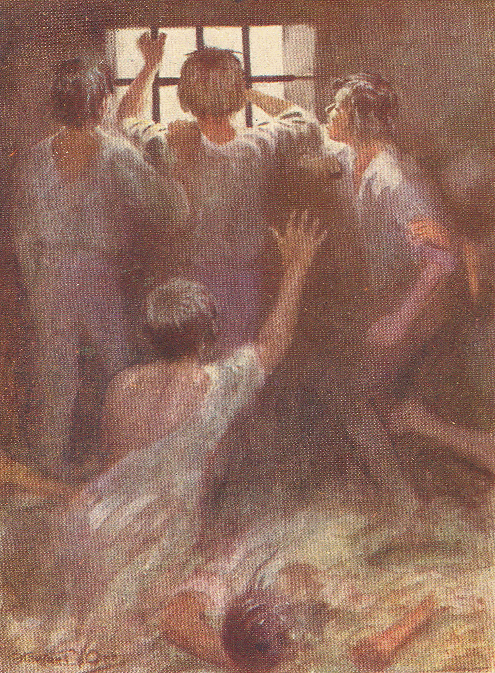
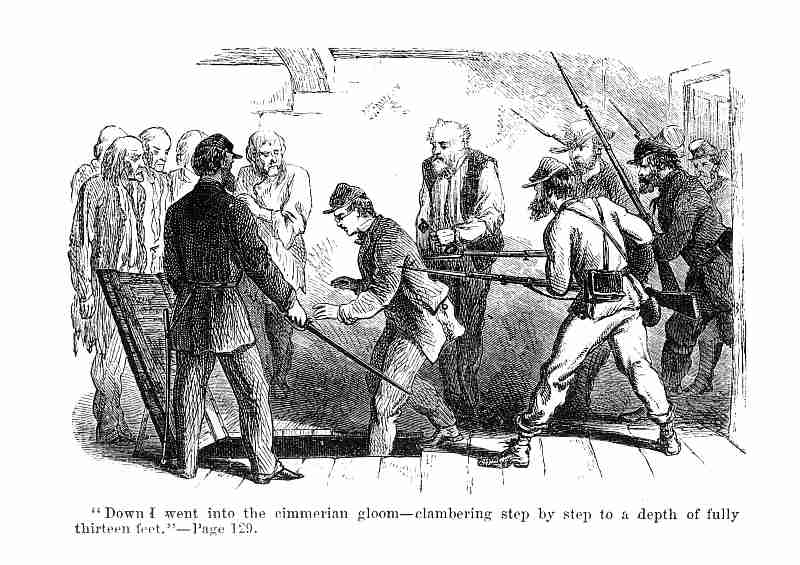
garrison's commander organised an escape, and left a token force in the military fort under the command of John Zephaniah Holwell, a former military surgeon who was a top East India Company civil servant . Desertions by allied troops, mainly Dutch, made even this temporary defence untenable, and the fort was taken. Indian soldiers took the surviving 64 to 69 men of the British contingent prisoner , together with an unknown number of Anglo-Indian soldiers and other persons of mixed ancestry, many of them civilians, who had been sheltering in the Fort. During this period some prisoners were able to escape, and others attacked their guards. The troops, apparently acting on their own, then packed the prisoners into a guard room measuring 14 by 18 feet (4.3 by 5.5 mertres) and locked them in overnight. Prisoners begged for water or escape, growing delirious from heat exhaustion. As time passed, men collapsed from heat stroke or suffocation, or were trampled on. It seems highly unlikely that the Nawab was aware of the actions of his troops. The prisoners were not released until morning, when Siraj ud-Daula awoke. By then, some modern historians believe, some 43 members of the garrison were dead or missing
-
-
-
Calcutta, had dealt in Indian cottons and eastern spices to the great profit of investors back home, but with negligible effect on the overall pattern of Asian trade
-
Your Williamsons and Dodwells, reading away, cheered up when the arrogant Amphibians began to intervene in the politics of India as the Mughal emperors lost their grip. The series of wars against France from the 1690s through to 1815 became a contest for world hegemony, and gave a context, as Linda Colley has brilliantly shown, to the development among English, Welsh, Scots and many Irish, of a composite and bellicose common 'British' identity--Protestant, libertarian and deeply averse to the eating of garlic and snails, let alone poncy French gallantry and sexual licence. As the East India Company responded to French aggression in India, that remarkable man Robert Clive was positioned to win the victory over the Nawab of Bengal at Plassey in 1757 which preluded British conquest of the subcontinent. Imperialist historians felt able to justify the cynical plundering of Bengal which followed, reducing India's richest area to the poverty which prevails to this day, by working up the long forgotten incident of the Black Hole of Calcutta. The East India Company had defied the Nawab. He had, quite within his rights, conquered their fort. Like every British garrison from Inverness to Jamaica, it had a 'Black Hole' in which disorderly soldiers were deposited to rue their mischievous deeds. The Nawab quite sensibly commanded that the vanquished Brits should be put into their own prison. It was a hot night, some were wounded, water was in short supply, and numbers died--though nothing anywhere near the number later alleged. So Plassey was a valid 'revenge' for fiendish Asiatic cruelty. And it followed that the barbaric ferocity with which the British suppressed the Sepoy mutiny of 1857 was justified by the intrinsic viciousness of Indian natives who would rape every white woman in sight if they weren't kept severely in their place.
-
-
-
-
See if I can locate this?
-
-
146 people are said to have been imprisoned, at the orders of the Nawab, in a small and airless dungeon at Fort William
-


1 - 8 of 8
20 items/page
List Comments
(0)
List Info

8 items | 3 visits